

The Allure of Risk and Reward
The psychology behind gambling at casinos is deeply intertwined with the concepts of risk and reward. This interplay creates a thrilling atmosphere for players as many are drawn to the potential for substantial financial gain, especially when they explore casinos sister sites that offer exciting new experiences. The excitement derived from winning can trigger the release of dopamine in the brain, often referred to as the ‘feel-good’ hormone. This biochemical response reinforces gambling behavior, encouraging players to return despite the inherent risks associated with wagering money. The potential for a big win acts as a strong motivator, captivating both casual players and avid gamblers alike.
Furthermore, casinos are meticulously designed to heighten this allure. Bright lights, vibrant colors, and immersive sounds contribute to an environment that stimulates the senses and enhances the thrill of gambling. The unpredictable nature of games adds to this magnetic attraction, as players often believe that they can influence outcomes, despite the games being based primarily on chance. This illusion of control can lead to cognitive biases in which players overestimate their abilities while underestimating the role of luck, thus perpetuating their gambling activities.
In addition to the physical environment, social interactions within casinos significantly enhance the overall gambling experience. Engaging with fellow players or casino staff amplifies excitement. Celebrating wins, sharing losses, and discussing strategies fosters a sense of community, which heightens emotional investment in gambling. Therefore, the combination of a stimulating environment and psychological factors surrounding risk and reward creates a compelling attraction for many individuals, making casinos a hub for excitement and social interaction.
The Role of Cognitive Biases
Cognitive biases play a pivotal role in shaping how individuals perceive their gambling experiences. One prevalent bias is the ‘gambler’s fallacy,’ where players mistakenly believe that past outcomes can influence future results. For example, if a roulette wheel has landed on red several times, gamblers may irrationally conclude that black is ‘due’ to appear next. This flawed reasoning can lead to reckless betting behaviors, as individuals place larger bets based on incorrect assumptions about randomness, often resulting in financial losses.
Another influential cognitive bias is the ‘illusion of control.’ Many gamblers believe they can manipulate outcomes or enhance their chances of winning through specific behaviors, such as selecting certain machines or using particular betting strategies. This belief significantly enhances the gambling experience, making players feel empowered and engaged. However, it can also lead to considerable losses, as individuals act on erroneous beliefs rather than statistical realities, often compounding their financial risks.

Moreover, confirmation bias affects how gamblers interpret their experiences. Many individuals tend to remember their wins more vividly than their losses, reinforcing a skewed perception of their gambling success. This selective memory can drive continued gambling, as players convince themselves they are more skilled than they truly are. Such cognitive distortions perpetuate the cycle of gambling, leading individuals to engage in risky behaviors despite experiencing negative outcomes.
The Impact of Social and Cultural Influences
The psychology of gambling is often shaped by social and cultural influences, complicating the motivations behind casino behavior. In various cultures, gambling is celebrated as a social pastime that encourages community bonding and entertainment. For instance, family outings to casinos or poker nights among friends can normalize gambling, making it a socially acceptable activity. This cultural acceptance can create pressure for individuals to participate, even if they lack a genuine interest in gambling, thus blurring the lines between choice and obligation.
Media portrayals of gambling significantly impact behaviors and attitudes as well. Movies, television shows, and advertisements frequently glamorize the gambling experience, showcasing the excitement and victories while downplaying the associated risks and consequences. This unrealistic representation fosters a romanticized view of gambling, enticing individuals to try their luck without fully understanding the potential dangers involved, leading to impulsive decisions driven by distorted perceptions.
On a psychological level, the desire for social validation can further drive gambling behaviors. Many individuals may seek approval from peers or family members by engaging in gambling activities, compelling them to partake in behaviors they might otherwise avoid. This social reinforcement perpetuates a cycle of gambling, as individuals feel obliged to play to fit in with their social circles, even when it leads to financial strain or emotional distress. The intertwining of social dynamics and gambling can create complex motivations that challenge responsible behavior.
The Role of Emotional States in Gambling Behavior
Emotional states significantly influence gambling decisions, with many individuals using gambling as a coping mechanism for stress, anxiety, or depression. The temporary thrill associated with placing bets and the prospect of winning can provide a distraction from life’s challenges. However, relying on gambling as an emotional escape can lead to compulsive behaviors, exacerbating underlying mental health issues and creating a vicious cycle where gambling becomes a primary means of managing emotions.
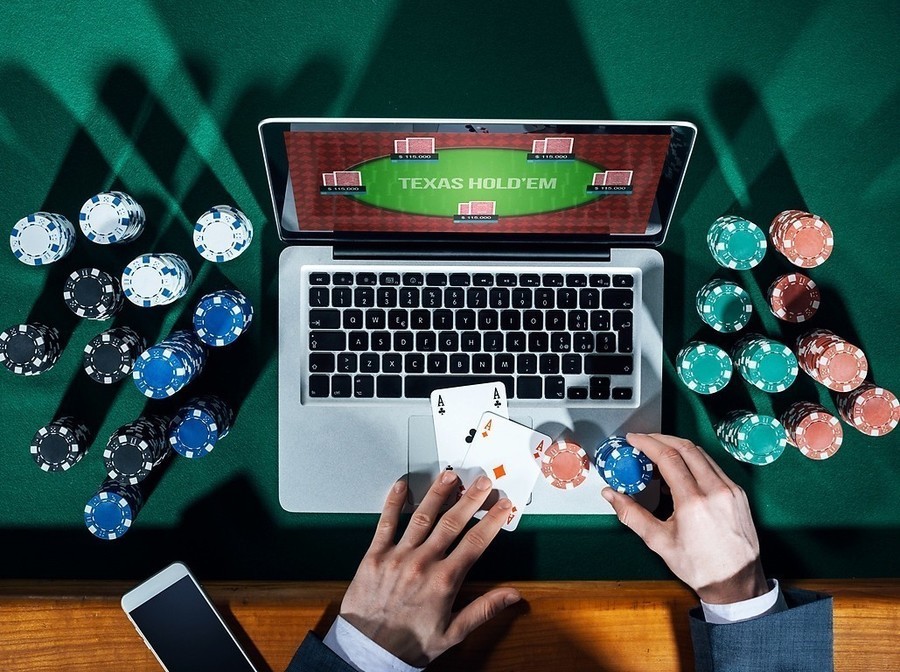
Conversely, positive emotions can also impact gambling experiences in noteworthy ways. When individuals are in a good mood, they may be more inclined to take risks, such as placing larger bets or exploring new games. The excitement tied to emotional highs can cloud judgment and encourage more frequent gambling. This relationship between emotional states and decision-making reveals how mood fluctuations can directly influence gambling patterns, leading to impulsive behavior and the potential for significant losses.
Recognizing the correlation between emotions and gambling is crucial for understanding problematic behaviors. Awareness of how mood fluctuations can affect decision-making may empower individuals to make more informed choices regarding their gambling activities. Seeking alternative coping strategies, such as mindfulness practices or therapy, can help break the cycle of emotional gambling and promote healthier habits. By addressing emotional triggers, individuals can find more balanced ways to cope with life’s challenges without resorting to gambling.
Understanding Responsible Gambling Practices
Implementing responsible gambling practices is essential for mitigating the psychological risks associated with gambling at casinos. Awareness of personal limits, both financially and emotionally, is crucial for ensuring a healthy gambling experience. Many casinos have introduced initiatives to promote responsible gambling, offering resources and tools that help players set limits on their spending and the amount of time they spend gambling. These efforts aim to create an environment where individuals can enjoy the thrill of gambling while minimizing the risks associated with addictive behaviors.
Educating oneself about the odds and probabilities associated with various games is another vital aspect of responsible gambling. Players who understand the mechanics of the games they engage in are less likely to fall victim to cognitive biases. Recognizing that the outcomes of games are not influenced by past results or personal behaviors enables individuals to make more rational decisions, thereby reducing the likelihood of financial loss and enhancing the overall gambling experience.
Additionally, accessing resources such as counseling and support groups can significantly aid those struggling with gambling addiction or related issues. These services provide essential support and practical strategies for individuals seeking to regain control over their gambling habits. Collaborations between casinos, community organizations, and mental health professionals can foster a greater understanding and awareness of responsible gambling practices, ultimately promoting a safer and more enjoyable environment for all participants while encouraging a culture of mindfulness and moderation in gambling.